


How to travel Vegetarian/Vegan without stress?
Updated: Sep 28
You don't have to plan every meal before you leave for a trip. You just need to know a few things before you go.
How do I know?
I’ve been travelling with food restrictions for over 7 years, so I had to come up with a system that works — something that doesn’t give me a headache every time I travel.
And honestly, it’s much easier than you might think.
1) Don't assume it will be difficult.
Don’t stress yourself out worrying about going hungry.
Your trip should be enjoyable, not overwhelming.
Trust me, in many countries nowadays, finding vegetarian or vegan food is much easier than you might think.
More and more restaurants are used to accommodating travellers with different dietary needs, so you’ll often have plenty of options to choose from.
Local markets, cafés, restaurants, street food, supermarkets — there’s usually something you can work with.
The trick is knowing what to look for.
2) Learn a few words before you travel.
Don't rely only on the word 'vegetarian' or 'vegan'.
Is about making your life easier. If you don't want to memorize some words you can always write them down in your phone to have a quick access every time you need it.
This is my list:
No meat
No milk
No cheese
Soja/oat milk
You just need to adapt your vocabulary to your 'diet'.
Trust me this is especially useful when travelling somewhere where English isn't widely spoken. Plus locals will appreciate your effort.
And don't worry about pronunciation, if you have it written down your problem is solved.
3) Research the local food before you arrive.
Before going to a new destination, I like to learn a little about the country — the culture, traditions, people, and of course… food. I LOVE FOOD. 😅
Knowing what is traditionally eaten already gives you an idea of what to look for.
Write down every dish you want to try, that will save you a lot of time after.
Take India and Turkey, for example.
India is a food heaven for vegetarians and vegans. They do eat meat, but vegetarian options are everywhere — and you’ll find an incredible variety of them.
Turkey, on the other hand, can be a little more challenging. I visited about three years ago, and it felt like meat was everywhere — kebabs, barbecues, and more meat! 😅
Finding vegetarian food was harder, especially outside the bigger cities.
But it’s still possible. Local markets are great for fresh fruit and vegetables, and supermarkets can save you when you need to make your own sandwich or meal.
That’s why knowing the food culture before you go can make your trip so much easier.
4) Markets are your friend.
Local markets can be one of the easiest places to find vegetarian or vegan food.
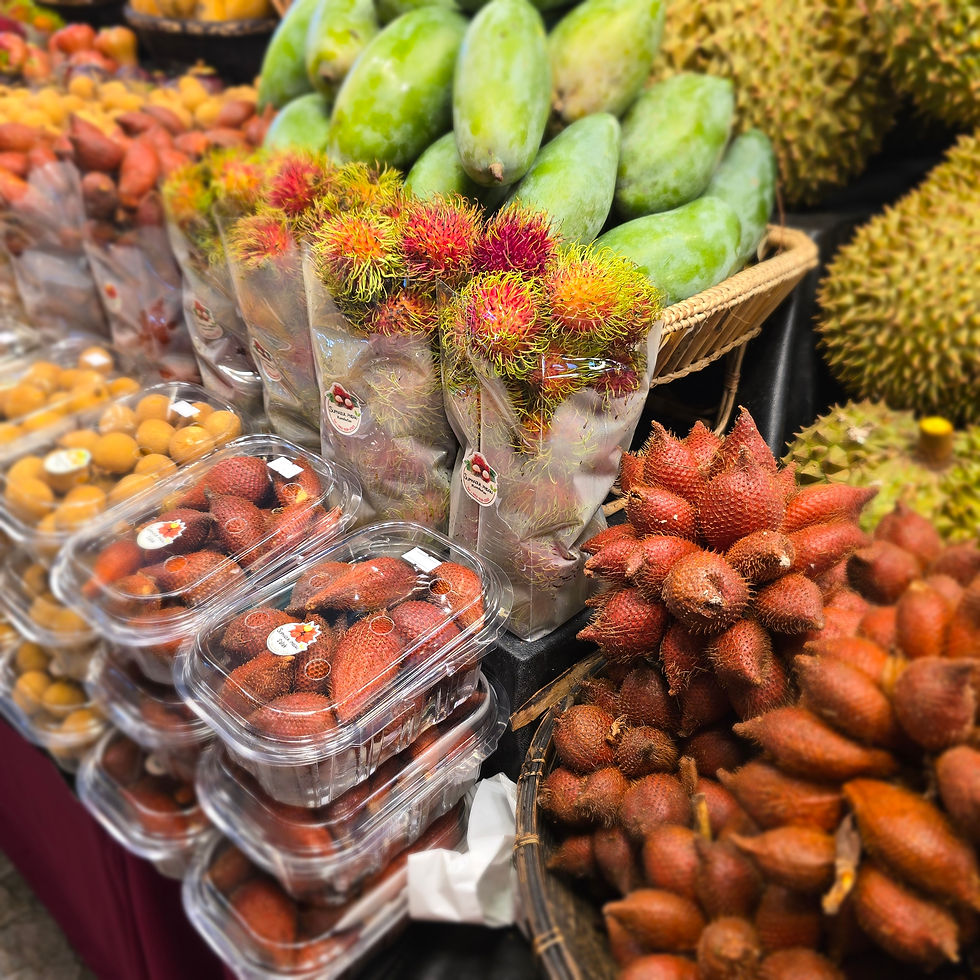
They’ve saved me many times in Vietnam, Turkey, and Thailand.
Markets are also a great way to experience local culture, discover exotic fruits and vegetables, and enjoy a completely different atmosphere from a restaurant.
You can look for things like fresh fruit, rice, vegetables, noodles, tofu, fresh juices, and local snacks.
Just be a little careful with street food, as some foods or preparation methods can upset your stomach very quickly. You can read more about this here.
And don’t be afraid to point at something and ask what it is. Sometimes that’s the easiest way to discover something delicious! 😋
5) Don't book your entire food itinerary.
Please don't do it to yourself.
Know your options this is all you need. The rest you will decide once you are there.
Maybe you will discover a tiny local restaurant that wasn't on your list.
That's part of spontaneous travelling.
6) Have a backup.
When you have dietary restrictions, I always recommend keeping something simple in your bag — nuts, fruit, or another healthy snack you know you can eat.
It’s a quick and healthy option when you’re hungry and there’s nowhere suitable to eat.
And honestly, having a little backup can also take away the anxiety. When you know you have something safe to eat, you can relax and enjoy the journey instead of worrying about where your next meal will come from.
If you’re travelling with dietary restrictions, it’s important to know that vegetarian and vegan don’t mean the same thing.
Vegetarian usually means no meat or fish, but dairy and eggs may still be included.
Vegan means avoiding all animal products, including dairy and eggs.
And if your restrictions are more specific, be careful — a dish that looks vegetarian may still contain fish sauce, oyster sauce, meat stock, shrimp paste, butter, ghee, cheese, or eggs.
Especially when travelling in Asia, I’ve lost count of how many times I probably ate something without even knowing what was in it. 😅




Comments